
Solar Water Heating Systems: A Smarter Way to Get Hot Water
Imagine waking up on a chilly morning and having hot water ready without relying entirely on an electric geyser. That is the simple idea behind Solar Water Heating Systems. They use sunlight to heat water, helping homes, apartments, hotels, hospitals, offices, and other properties reduce conventional energy consumption.
For many households, hot water is a daily necessity, but heating it can add noticeably to electricity bills. A well-designed solar water heating solution can turn an otherwise unused rooftop into a useful source of thermal energy.
At SAILEE Electrical and Solar System, solar water heater solutions are designed and installed for customers in Pune and nearby areas. The company highlights customized solutions, professional installation, and local expertise as part of its solar services.
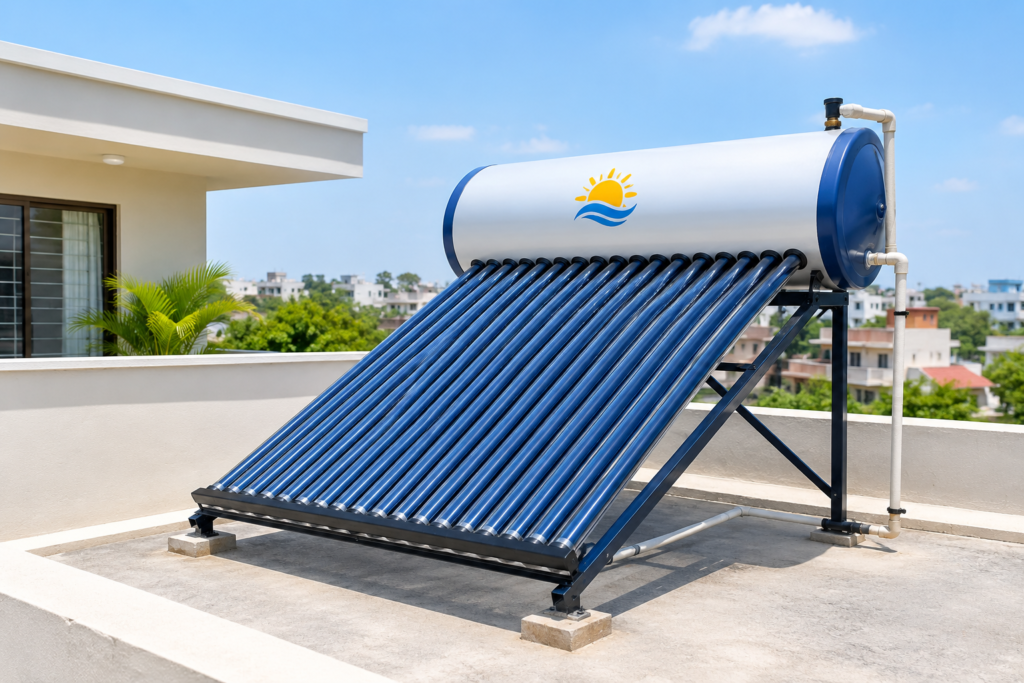
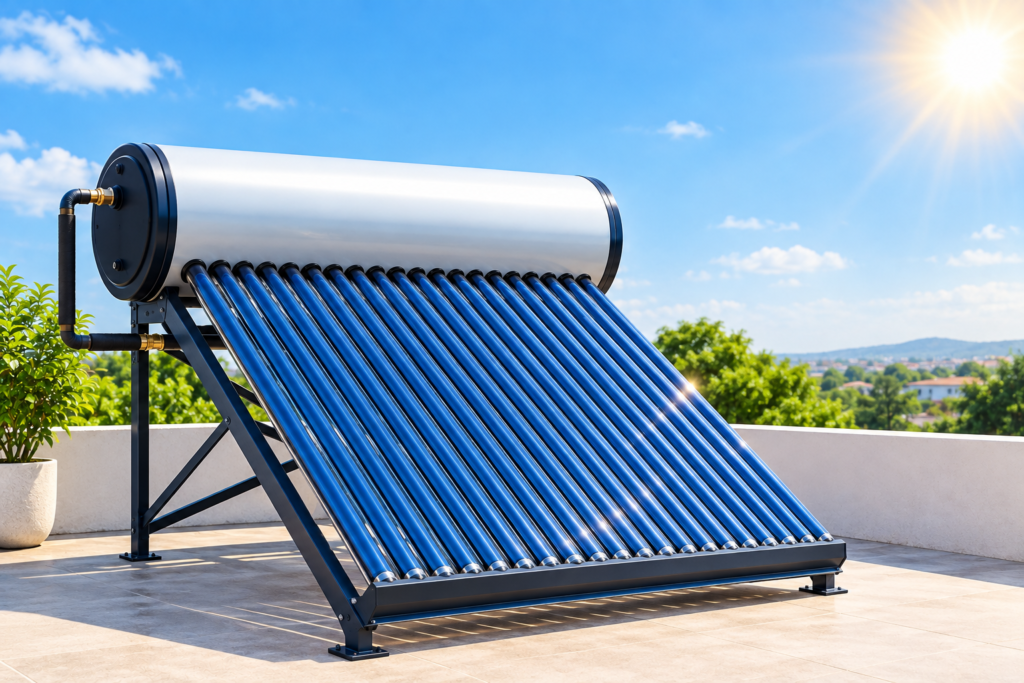
What Are Solar Water Heating Systems?
Solar Water Heating Systems are systems that capture energy from sunlight and transfer that heat to water. Unlike solar photovoltaic panels, which convert sunlight into electricity, solar water heaters primarily use solar energy directly for heating water.
The basic idea is surprisingly straightforward.
Sunlight heats a solar collector. The collected heat is transferred to water, and the heated water is stored in an insulated tank until it is needed.
Depending on the design, a system may include:
- Solar collectors
- An insulated hot-water storage tank
- Connecting pipes
- Mounting structures
- Circulation components
- Temperature and pressure controls
- Backup heating arrangements where required
The actual configuration depends on the building, water requirement, available rooftop space, climate, and installation conditions.
What Are Solar Water Heating Systems?
Solar Water Heating Systems are systems that capture energy from sunlight and transfer that heat to water. Unlike solar photovoltaic panels, which convert sunlight into electricity, solar water heaters primarily use solar energy directly for heating water.
The basic idea is surprisingly straightforward.
Sunlight heats a solar collector. The collected heat is transferred to water, and the heated water is stored in an insulated tank until it is needed.
Depending on the design, a system may include:
- Solar collectors
- An insulated hot-water storage tank
- Connecting pipes
- Mounting structures
- Circulation components
- Temperature and pressure controls
- Backup heating arrangements where required
The actual configuration depends on the building, water requirement, available rooftop space, climate, and installation conditions.
Why Are They Becoming Popular?
Think about a home where four or five people take showers every day. Then add kitchen use, cleaning, or other hot-water requirements. An electric geyser may operate repeatedly throughout the day.With a solar water heater, a large part of that heating requirement can be supplied by the sun.It is one of those situations where a little planning today can make everyday life easier tomorrow.
How Solar Water Heating Systems Work
The working principle is easier to understand than it may initially sound.
During daylight hours, solar collectors absorb heat from the sun. That heat is transferred to water, which is then stored in an insulated tank.
Depending on the type of system, water may circulate naturally or be moved through the system using a circulation mechanism.
Why Are They Becoming Popular?
Think about a home where four or five people take showers every day. Then add kitchen use, cleaning, or other hot-water requirements. An electric geyser may operate repeatedly throughout the day.With a solar water heater, a large part of that heating requirement can be supplied by the sun.It is one of those situations where a little planning today can make everyday life easier tomorrow.
Main Components :
1. Solar Collector
The collector is the part that receives sunlight. Its job is to absorb solar radiation and convert it into useful heat.
2. Storage Tank
The heated water is stored in an insulated tank. Good insulation helps slow down heat loss, allowing hot water to remain available for later use.
3. Pipes and Connections
Pipes carry water between the collector, storage tank, and points of use. Proper pipe sizing and insulation are important for efficient operation.
4. Mounting Structure
The collectors need to be positioned appropriately to receive sufficient sunlight. A strong mounting structure also helps provide long-term stability.
5. Backup Heating
Depending on the property and user expectations, a backup heater may be useful during periods of limited sunlight or unusually high hot-water demand.